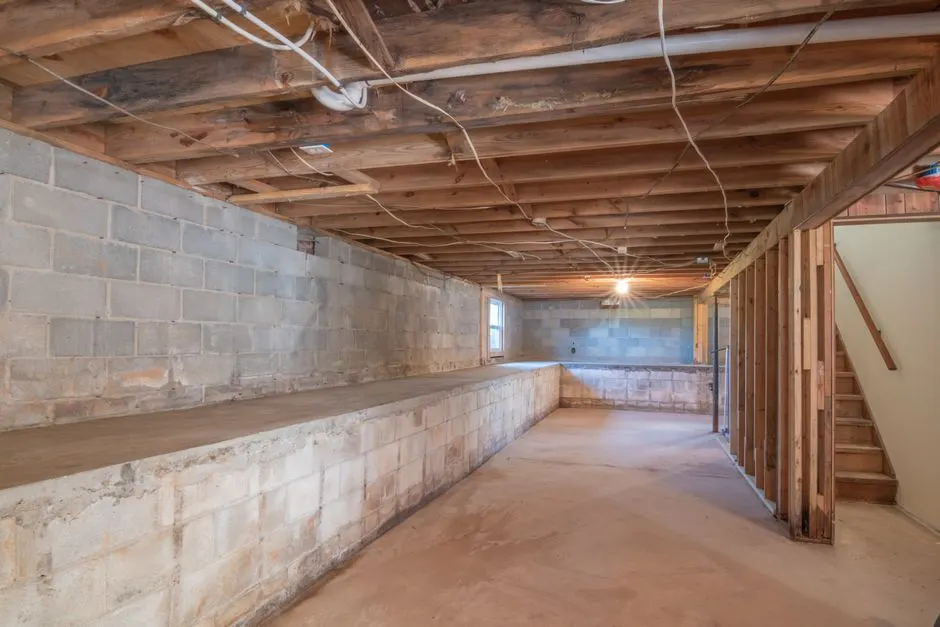
Your crawl space keeps growing mold after remediation because the moisture that feeds it was never fixed. Killing the mold without controlling the water source is like mopping a floor while the tap is still running - it will be back within weeks. In this post, we'll explain exactly why crawl space mold returns in Studio City, California, what a failed remediation looks like, and how to prevent it from happening again.
The Real Reason Crawl Space Mold Returns
Mold needs three things: moisture, organic material (like wood), and the right temperature. Your crawl space already has wood and a mild climate. The only variable you can control is moisture. If the moisture source isn't eliminated, mold will regrow - usually within 30 to 60 days after treatment.
Here's what most homeowners miss: remediation kills the visible mold, but it doesn't stop new spores from landing on wet surfaces. Those surfaces stay wet because of ongoing water intrusion, high humidity, or poor ventilation. Until you fix the moisture, you're just resetting the clock.
In Studio City, we see this constantly. A homeowner pays for crawl space mold removal, feels relieved, and then finds black patches again by the next rainy season. The culprit is almost always one of five things: a hidden leak, inadequate drainage, high humidity, poor ventilation, or a failed encapsulation job.
Why Does My Crawl Space Keep Growing Mold After Remediation in Studio City, California?
Why does my crawl space keep growing mold after remediation in Studio City, California? Because the conditions that caused the mold in the first place were never corrected. Remediation removes the growth, but it doesn't address the water source or the humidity that allowed the mold to thrive.
We've inspected hundreds of crawl spaces across Studio City, and the pattern is predictable. Here are the five most common reasons mold comes back:
- Water intrusion wasn't fixed. A slow plumbing leak, a cracked foundation, or poor grading lets water seep in every time it rains. Mold regrows on wet wood within weeks.
- Humidity stays above 60%. Even without a leak, Studio City's summer humidity can push crawl space moisture levels high enough to support mold. Without a dehumidifier, it never dries out.
- Ventilation is inadequate or blocked. Many older homes have foundation vents that are painted shut or covered by landscaping. Without airflow, moisture lingers.
- Encapsulation was done wrong. A proper crawl space encapsulation seals the floor and walls with a heavy-duty vapor barrier. If seams aren't taped or the barrier is torn, ground moisture still rises.
- The remediation was incomplete. If the mold wasn't fully removed from joists, subfloor, or insulation, surviving spores recolonize quickly.
If any of these sound familiar, the mold will keep coming back until you address the root cause. That's why we start every job with a thorough Mold Inspection Near Me in STUDIO CITY, California to pinpoint exactly what's feeding the problem.
How Studio City's Climate and Housing Stock Feed Crawl Space Mold
Studio City's climate and housing stock create ideal conditions for crawl space mold. Our Mediterranean climate brings wet winters and warm, humid summers. Many homes here were built in the 1940s through the 1960s with raised foundations and minimal moisture barriers.
During winter rains, water pools around foundations. In summer, humidity rises. Without a sealed crawl space, that moisture migrates upward into the wood structure. We've measured relative humidity above 80% in crawl spaces that looked dry on the surface.
Older homes in neighborhoods like Studio City and nearby Sherman Oaks often have original redwood or fir joists. These woods are durable, but they're also organic - perfect food for mold when wet. Add a leaky pipe or poor drainage, and you've got a recurring problem.
We also see issues with Crawl Space Mold Removal in STUDIO CITY, California jobs where the original contractor didn't address groundwater. If your home sits at the bottom of a slope or near a seasonal creek, water pressure against the foundation can force moisture through cracks. That's a drainage problem, not just a mold problem.
What a Failed Remediation Job Looks Like
A failed remediation job is one where the mold was killed but the moisture source remained. We get called to inspect these all the time. The homeowner says, "They treated it six months ago, and it's already back."
Here's what we typically find:
- Visible mold on the same surfaces that were treated before.
- No vapor barrier on the crawl space floor, or a thin plastic sheet that's torn and loose.
- Standing water or damp soil under the house.
- Insulation that's still wet and compressed.
- No dehumidifier installed.
- Foundation vents that are blocked or missing.
In one Studio City home, we found that the previous company had sprayed the joists with a fungicide but never removed the wet insulation. The insulation held moisture against the wood, and mold regrew in under two months. The fix required removing the insulation, drying the structure, and installing a proper encapsulation system.
If your remediation didn't include moisture control, it was incomplete. That's the hard truth.
How to Prevent Crawl Space Mold From Returning in Studio City
To prevent crawl space mold from returning in Studio City, you need to control moisture permanently. That means fixing leaks, improving drainage, sealing the crawl space, and managing humidity year-round.
Here's the step-by-step approach we use:
- Find and fix all water intrusion. We inspect plumbing, foundation walls, and grading. Any active leak gets repaired first.
- Remove all mold-damaged materials. Wet insulation, rotten wood, and debris come out. We don't leave anything organic that can feed mold.
- Dry the crawl space. We use commercial dehumidifiers and air movers to bring moisture levels down to safe levels (below 15% wood moisture content).
- Install a vapor barrier. A heavy-duty, reinforced polyethylene liner covers the floor and walls, sealed at seams and penetrations. This stops ground moisture from rising.
- Add a dehumidifier. For most Studio City homes, a crawl space dehumidifier keeps humidity below 50% year-round.
- Improve ventilation if needed. In some cases, we add or clear foundation vents. In others, we seal the space entirely and rely on mechanical ventilation.
- Verify with post-remediation testing. We take air samples to confirm mold spore levels are back to normal before we call the job done.
This process is what we call a complete crawl space mold remediation. It's not just killing mold - it's making sure it can't come back. If you're dealing with recurring mold, we can help. Our team specializes in Mold Remediation Company in STUDIO CITY, California services that address the root cause, not just the symptoms.
Common Mistakes That Cause Crawl Space Mold Recurrence
Common mistakes that cause crawl space mold recurrence include skipping moisture control, using the wrong materials, and failing to verify the job with testing. Here are the ones we see most often:
- Not fixing the water source. This is the number one mistake. If you don't stop the leak or drainage issue, mold will return.
- Using thin plastic as a vapor barrier. Hardware store plastic sheeting tears easily and doesn't seal. You need a minimum 12-mil reinforced liner.
- Skipping the dehumidifier. Even with a vapor barrier, humidity can creep in through vents or gaps. A dehumidifier is cheap insurance.
- Not removing wet insulation. Insulation that's been wet holds moisture against wood. It must be removed and replaced.
- Failing to test after remediation. Without clearance testing, you don't know if the job worked. We always recommend Post Remediation Mold Testing in STUDIO CITY, California to confirm success.
- Ignoring HVAC leaks. Sometimes the moisture source is a leaking duct or air handler in the crawl space. If that's not fixed, mold returns.
If you've had a remediation job that didn't last, one of these mistakes is likely to blame.
When to Call a Professional
Call a professional when you've had mold return after remediation, when you smell musty odors, or when you see visible growth on joists or subfloor. DIY treatments rarely work for crawl space mold because the moisture source is often hidden.
We handle the entire process: inspection, moisture mapping, remediation, encapsulation, and clearance testing. We also fix the underlying water issues so you don't have to call us again next year. If you're in Studio City and tired of dealing with recurring mold, our team at Mold Remediation Service Studio City is ready to help.
Frequently Asked Questions
Why does my crawl space keep growing mold after remediation in Studio City, California?
Because the moisture source was never fixed. Remediation kills mold, but if leaks, high humidity, or poor drainage remain, new mold grows within 30-60 days. You must control moisture to stop recurrence.
How do I stop crawl space mold from coming back in Studio City, CA?
Fix all water intrusion, remove wet materials, install a sealed vapor barrier, and run a dehumidifier to keep humidity below 50%. Verify with post-remediation testing. This combination prevents regrowth.
Does encapsulation prevent crawl space mold in Studio City?
Yes, when done correctly. A sealed vapor barrier blocks ground moisture, and a dehumidifier controls humidity. Together, they keep the crawl space dry and mold-free. Improper installation can fail, so hire a pro.
How long does crawl space mold remediation last in Studio City, California?
Remediation lasts indefinitely if moisture is controlled. If the water source remains, mold can return in as little as 4-8 weeks. Proper encapsulation and humidity control make the fix permanent.
Who can fix recurring crawl space mold in Studio City, CA?
A licensed mold remediation company with crawl space expertise. We diagnose the moisture source, remove mold, install encapsulation, and verify with testing. Call us at (833) 929-5837 for a consultation.
Get Help With Mold Remediation Service in Studio City
If your crawl space mold keeps coming back, we can fix it for good. Our team at Mold Remediation Service Studio City specializes in finding and eliminating the moisture that feeds mold. Call us today at (833) 929-5837 to schedule your inspection.